Safe Driving
Buckle Up

The most important tip to keep your family safe while driving is to always use safety belts and proper child restraints. Children are safer when placed in the rear seat in the appropriate infant, child, booster seat, or safety belt - appropriate for the size and age. Never place a rear facing infant restraint in the front seat of a vehicle equipped with an active air bag.
Both Hands on the Wheel!
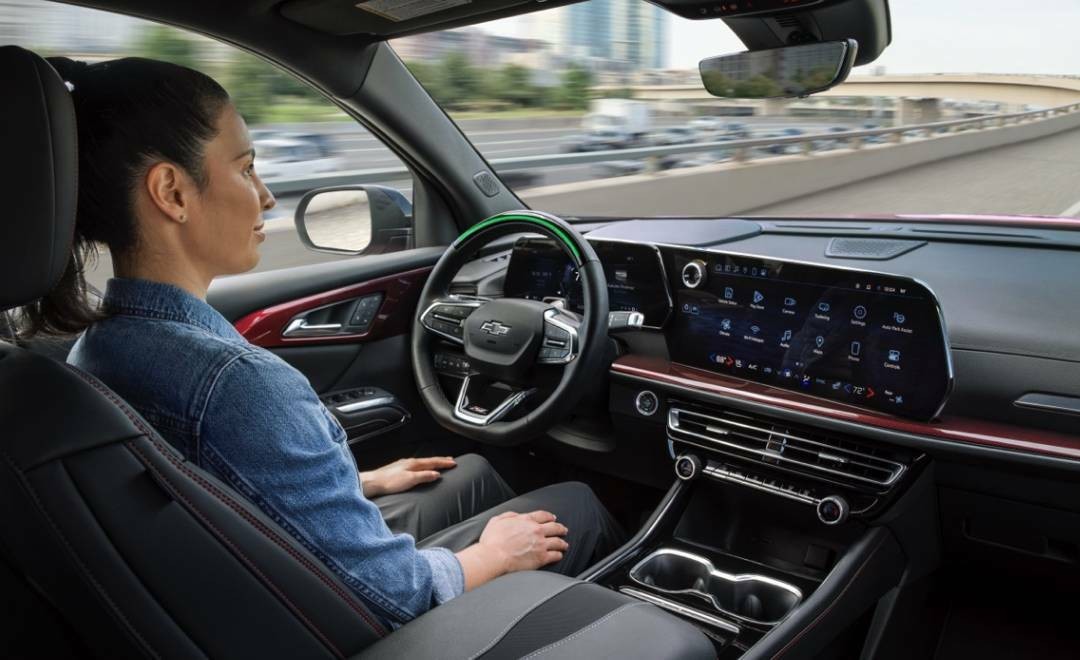
The first car safety tip is to always drive with both hands on the wheel. The best place for your hands are at the nine and three o'clock positions, which help provide greater control when steering.
Lights On, Please
With your safety in mind, all new GM vehicles come equipped with daytime running lamps. To help with safe driving, turn on your lights in rainy or snowy weather to make sure that your headlamps, taillamps and other exterior lamps are on. Even if your visibility is good, other drivers will have a better view of your vehicle.
Snow on the Roof
Don't let snow pile up on top of your car or truck. Peaks of snow increase drag and decrease gas mileage. And snow piled in your pickup's bed can obstruct both your view and the view of other drivers.
Quick Maneuvering
If you need to veer suddenly to avoid hitting an object in your vehicle's path, before turning, make sure you look in the direction you'd like to head towards to make sure the path is clear.
Alcohol is a Factor in Many Traffic Fatalities
These visual signs may help you spot an impaired driver:
- Stopping problems (too far, too short, or too jerky)
- Straddling a lane line
- Swerving or drifting
- Weaving across lane lines
- Accelerating or decelerating for no apparent reason
- Slow response to traffic signals
- Turning with a wide radius
- Driving without headlights at night
- Varying speed
- Stopping in a lane for no apparent reason
- Failure to signal or signal inconsistent with action
Let An Expert Inspect
Making sure your vehicle is in peak condition is another excellent way to help you drive safely. Stop by your GM dealer and let a Goodwrench technician give your GM vehicle a Goodwrench Multi-Point Vehicle Inspection. Your technician checks many areas (27 points in all) that can assist in safe driving - including wiper blades, windshield cracks, tire wear, brakes, steering, suspension and taillamps - and will offer expert Goodwrench services if you need them.
Fixing a Flat

Knowing how to change and repair it can mean the difference between making your appointment and running hours late. And technologies like tires that run even when flat and flat-fixers you can store in your trunk make fixing that flat easier than you might think!
Check out all the services and tips for Tires that GM Goodwrench has to offer. Visit our Tires page.
- Consult your Owners Manual
- Know where to locate your spare, tire iron & jack
- Pull off the road to a safe, hard and flat location
- Place the car in park or 1st (if manual transmission)
- Activate your hazard lights
- Apply the parking brake
- Remove the keys from the ignition
- Request all your passengers exit the vehicle during the change
- Use tire blocks on tire opposite to one being changed
- Use the floor mat for a kneeling pad
- Loosen the lug nuts before raising the car with the jack - the weight of car will help keep the wheel from moving
- Proper placement of the jack is important - fit the jack head securely
- Lift high enough to remove tire, take off nuts, clean away any dirt/rust
- Put on spare and hand tighten the lugnuts
- Lower the jack carefully
- With weight of the car back on the tire, finish tightening the nuts with the tire iron in a criss cross pattern
- Pick up all your tools, reinstall the floor mat and store the flat correctly
- Go to a GM Goodwrench service centre to have the lugnuts tightened with a torque wrench
- GM Goodwrench can also diagnose why the flat occurred and advise you if it can be repaired or needs to be replaced
Be Prepared: What to keep in your vehicle
First Aid Kit

If you put your own emergency car kit together, make sure none of the items are in glass bottles or vials - put them in plastic containers with tight lids, instead.
Your first aid kit should include:
- Absorbent compress dressings
- Adhesive bandages (assorted sizes)
- Adhesive cloth tape
- Antibiotic ointment packets
- Antiseptic wipe packets
- Packets of aspirin
- Blanket (space blanket)
- Breathing barrier (with one-way valve)
- Instant cold compress
- Pair of non-latex gloves
- Hydrocortisone ointment packets
- Scissors
- Roller bandage
- Sterile gauze pads
- Oral thermometer (non-mercury/non-glass)
- Triangular bandages
- Tweezers
- First aid instruction booklet
Vehicle Tool Kit:
A good vehicle tool kit includes:
- Screwdrivers - Phillips and flat head
- Pliers
- Set of good socket wrenches
- Duct tape
- Electrical wire tape
- Electrical wire spray
- Flashlight with extra batteries
- Small fire extinguisher
- Jumper cables
Make sure there's a jack and a lug wrench in the vehicle and that the spare tire (if equipped with spare) is inflated to its proper pressure. See Owner's Manual for recommended tire pressure numbers.
Immediately After a Collision
Take a breath. Try to relax (we know it's hard). Then check to make sure you're all right. No injuries? Great. Now make sure no one else in your vehicle or the other vehicle is injured. - If there has been an injury, call 911 for help. Don't leave the scene of an accident until all matters have been taken care of. Move your vehicle only if its position puts you in danger or you are instructed to move it by a police officer.
- Give only the necessary and requested information to police and other parties involved in the accident. Do not spontaneously discuss your personal condition, mental frame of mind, or anything unrelated to the accident. This will help guard against post-accident legal action.
- Trust an OnStar Advisor to help guide you through the minutes after an accident, if your OnStar subscription is activated. In the event that your air bags deploy, your vehicle automatically sends a signal to OnStar and an Advisor will attempt to contact you to see if you need assistance. OnStar can also contact a nearby emergency service provider with your location and request help. Learn more about OnStar services.
- If you need roadside assistance, phone GM Roadside Assistance. You'll find the number in your Owner's Manual.
- If your vehicle cannot be driven, know where the towing service will be taking it. Get a card from the tow truck operator or write down the driver's name, the service's name and phone number.
- Remove any valuables from your vehicle before it's towed away. Make sure this includes your insurance information and registration if you keep these items in your vehicle.
- Gather the important information you'll need from the other driver.
- If it's possible, call your insurance company from the scene of the accident. They'll walk you through the information they'll need. If they ask for a police report, don't worry. Just phone or go to the police department's headquarters the next day and you can get a copy of the report for a nominal fee. In some states with "no fault" insurance laws, a report may not be necessary. This is especially true if there are no injuries and both vehicles are drivable.
- Choose a GM dealer collision repair facility for Goodwrench service for your vehicle. That's the best way to help make sure you're getting genuine GM replacement parts. Whether you select a GM dealer or a private collision repair facility to fix the damage, make sure you're comfortable with them. Remember, you'll have to feel comfortable with their work for a long time. Search for your GM dealer.
- Once you have an estimate, read it carefully and make sure you understand what work will be performed on your vehicle. If you have a question, don't be afraid to ask for an explanation. Reputable shops welcome this opportunity.
- The only way to get genuine GM Parts is to ask for them yourself. Ask your insurance agent and collision repair facility representative if your vehicle will be repaired with genuine GM Parts. If the answer is "yes", then you'll be getting the value, safety, endurance and peace of mind you expect. If they say imitation parts might be used, you have the right to refuse them. It's your choice.